
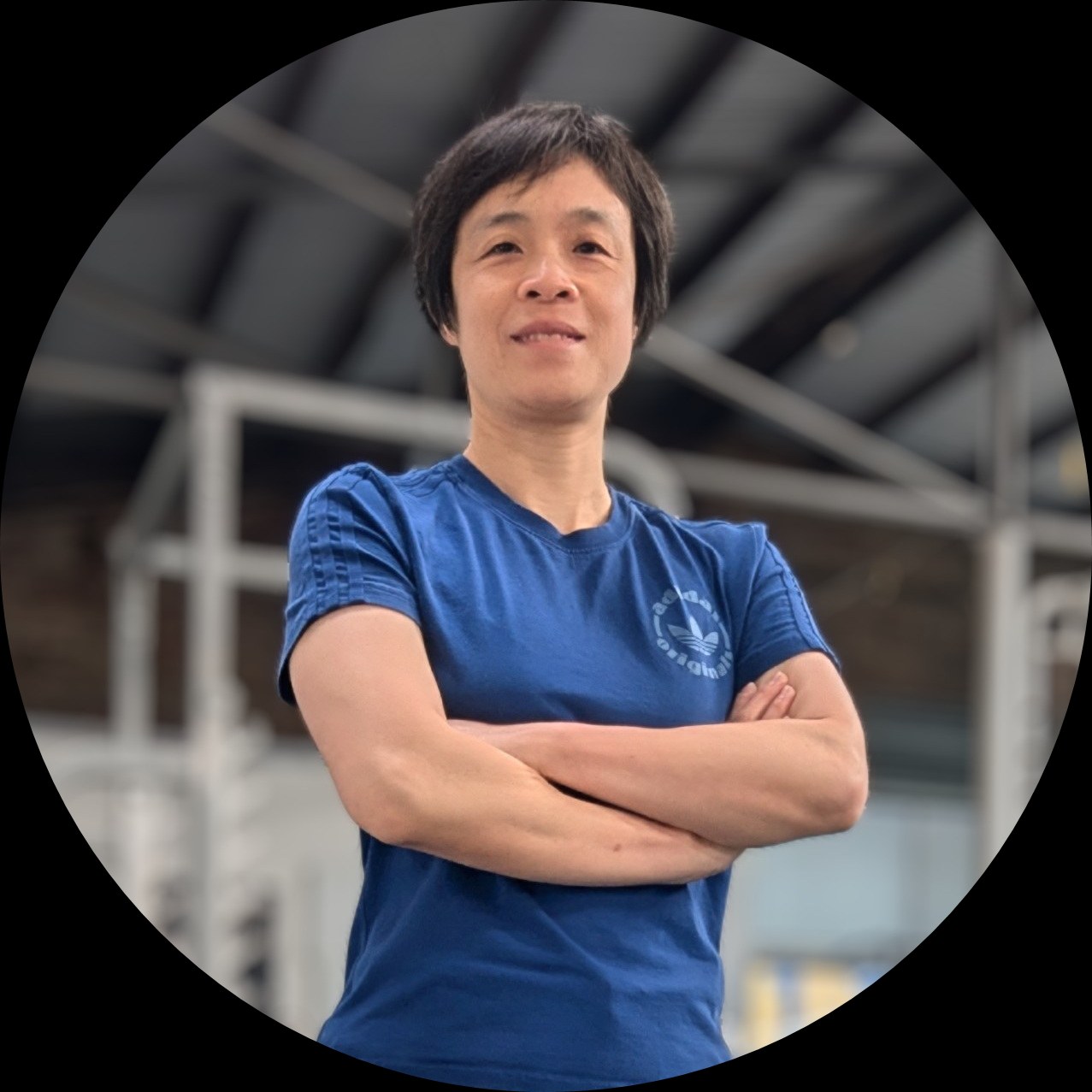
Carrie Tang
Personal TrainerFunctional Strength and Movement Coach
Strength is more than how much you can lift
I believe being strong means more than building muscle or lifting heavy weights. It means having the mobility, control, confidence, and physical capacity to move comfortably, meet the demands of everyday life, and keep doing the things you love.
How I Can Help
Everyone starts training for a different reason.
Some people want to become stronger and improve their fitness. Others want to regain better control of their body after experiencing stiffness, movement limitations or ongoing discomfort. Some want to maintain their strength, energy and independence as they are aging, while others need training adapted to their individual circumstances.
Whatever your starting point, I will work with you to find an approach that suits your body, abilities and goals, and adjust your training as you progress.
- 01
Strength & Fitness
If you want to become stronger, improve your fitness, build muscle, improve your body shape, or simply challenge yourself and get your body into better shape, progressive strength and fitness training can help you work towards these goals.
- 02
Posture & Movement Improvement
Long-term poor postural habits and inefficient movement patterns can contribute to postural changes and may gradually lead to discomfort in areas such as the knees, shoulders and back. They can also leave you feeling stiff or restricted in your movement. These issues can often be improved through appropriate training.
Common examples include flat feet, anterior pelvic tilt, knee valgus, scoliosis and poor movement patterns during everyday activities. There are many other posture and movement-related issues as well. These issues may all contribute to physical discomfort.
I will develop your training around your individual needs, helping you improve physical comfort, movement and body control, while reducing unnecessary physical strain and helping you move more freely.
- 03
Healthy Ageing
Maintaining strength, balance and physical vitality becomes increasingly important as we are ageing.
For seniors, I use appropriate strength, balance and coordination training to help address reduced muscle strength, declining physical capacity and low energy, while also supporting bone health.
Fall prevention is also an important part of training. Through targeted strength, balance and coordination exercises, training can help reduce the risk of falls and give you greater confidence and safety when carrying out everyday activities.
The goal is not simply to stay “healthy”, but to maintain the physical ability and independence to keep doing the things that matter to you and enjoy an active, fulfilling life.
- 04
Disability & Adaptive Training
For people with disabilities, I adapt training to each person’s physical abilities, daily needs and individual goals.
Training can help improve physical capacity, strength, balance and body control, supporting greater independence in everyday life, work and activities you enjoy. It can also help build confidence in what your body is capable of doing.
The people I work with have a wide range of needs. This may include people with physical disabilities who want to improve strength and body control; people recovering from a stroke who want to gradually regain independence in everyday activities; people with ADHD or autism who want to improve emotional regulation and self-management through exercise; and people with vision or hearing impairments who want to improve balance, coordination and body control to support greater independence.
Everyone has different abilities and needs, so training is not based on a single standard. We start from where you are and gradually build from there.
- 05
Women’s Health
Perimenopause and menopause bring hormonal and physical changes that can affect strength, muscle mass, posture, body weight and overall physical wellbeing.
Appropriate training can help women maintain and build muscle strength, support bone health, improve overall physical capacity and better manage the physical changes that come with this stage of life.
The goal is not simply to achieve a particular appearance, but to help you maintain your health and vitality, so your body can continue to support the life you want to live, both now and in the future.
- 06
Supporting Chronic Health Management
For people living with diabetes, cardiovascular disease, osteoporosis, arthritis and other chronic health conditions, regular, appropriate and individualised exercise can be an important part of ongoing health management.
I will consider your physical condition, health needs and medical advice when developing your training, including appropriate exercises, intensity and progression. The aim is to support your day-to-day health while maintaining physical capacity and independence.
Safety is always a priority. This includes considering exercise intensity, exercise selection, fatigue and how your body responds to training, while avoiding unnecessary risks.
Exercise does not replace medication or medical care. However, with appropriate professional guidance, it can be a valuable part of long-term chronic health management and improving quality of life — helping you move through everyday life with greater confidence and physical capacity.
Different People.
Different Training.
One Functional Approach.
At the heart of training, the goal is the same: to build a body that is stronger, more capable and better able to function.
But everyone starts from a different place. Your physical condition, goals, movement experience and everyday needs all shape what you need from training — and that means your training should be different too.
You may want to build muscle, improve physical limitations, return to a sport, improve your fitness, or stay strong and independent as you age. And even when two people have similar goals, they may still need very different approaches.
That’s why I don’t apply the same training template to everyone. I first understand where you are, what you want to achieve and what your body needs, then build your training around you.
Your training should have its own goals, pace and progression. I adjust it according to how you respond, gradually building your capacity over time.
Improving physical function takes the interaction of the brain, nervous system, muscles, bones and other systems throughout the body. Some changes can be noticeable quickly, but meaningful progress often takes time and consistent practice.
If you’re looking for quick results, this may not be the training approach for you. But if you’re willing to be patient, stay consistent and build from small improvements, you can gradually feel the difference in your body.
About Carrie
Train for the life you want
I'm a Personal Trainer specialising in functional strength and movement, with an individualised approach that respects the differences between people.
I believe good personal training is more than choosing a list of exercises and counting repetitions. It is about understanding the person in front of you, knowing what they are trying to achieve, and finding the right way to help them progress.
I also want my clients to become more knowledgeable about their own bodies. Rather than simply telling you what to do, I aim to help you understand what you are doing, why it matters, and how to recognise your own progress.
Ready to build a stronger, more capable body?
Explore current training options, session pricing and availability.
View Training Options